Award-Winning Author of Amazon #1 Bestselling "Where the Birds Never Sing," "Above the Treetops," "In Sheep's Clothing," and "The Resurrection Sequence"
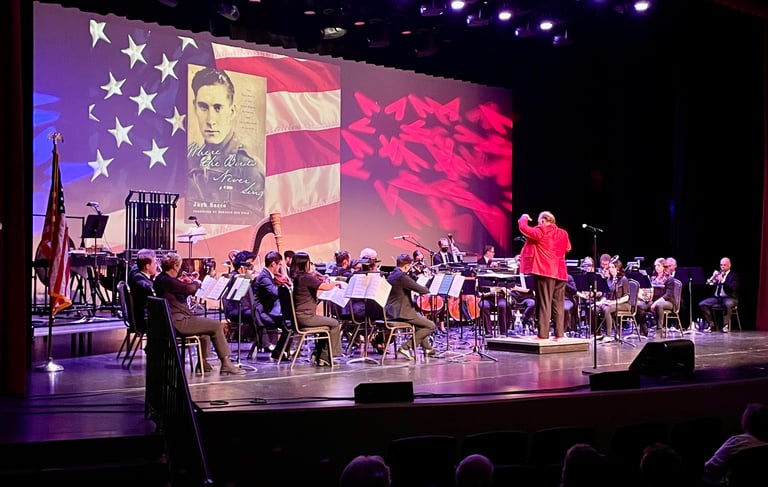
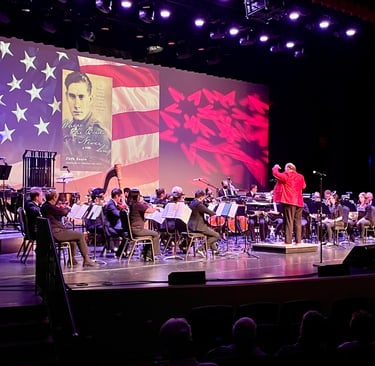
Composer of "A Symphonic Tribute to America's Greatest Generation," performed by orchestras nationwide.
Pulitzer Prize Nominated and Amazon #1 Bestselling Author and Composer
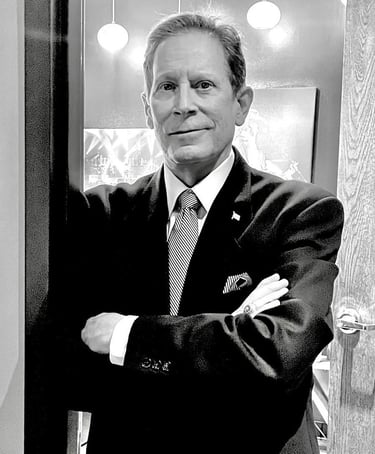
Jack Sacco
REVIEWS
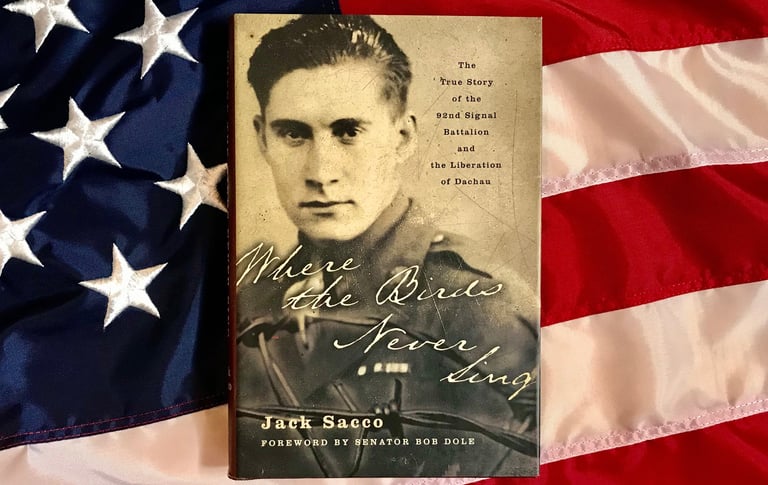
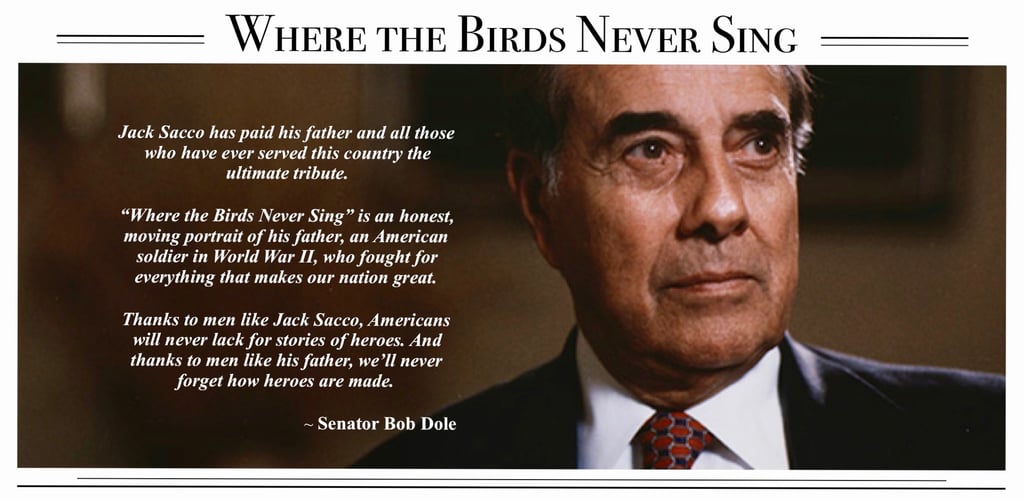
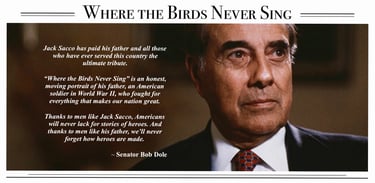
Where the Birds Never Sing will find a place with the World War II remembrances of Tom Brokaw and Stephen Ambrose and the film Saving Private Ryan by Steven Spielberg.
Cal Thomas
Syndicated Columnist
Bestselling Author
RebeccasReads recommends Where the Birds Never Sing as a riveting biography of the ordinary, sometimes hilarious and always hair-raising adventures of one young soldier, a boy who did the right thing, fought the good fight, and came home a man.
Rebecca Brown
RebeccaReads.com
When I started reading Where the Birds Never Sing, I didn't realize I was in store for much more than a mere book about WWII; I was in for a life-altering experience.
This book is on my top 5 list and has made its way into the personal library which I am compiling for my children to be able to enjoy one day.
They’ll find amusement in the Harry Potter novels and maybe even learn something from the classics of Dickens and Shakespeare, but they will experience an astonishing true adventure when the time comes for them to pick up Where the Birds Never Sing and will have their entire perception of the world changed.
Colton Clark
Lubbock, Texas
An Absolute Masterpiece!
Every child in school should read this.
Kathleen Fitzgerald
Chicago, Illinois
As I closed the cover, I wept and wept for all of the young men who served - those who died and those who came home forever changed.
I have cried at sad movies, but I have never wept from the depths of my soul before.
Jack Sacco has done a remarkable job of preserving history by telling an important story in a most moving and unforgettable way.
I feel like I have been forever changed for having read it.
Jan Antinozzi
Ham Lake, Minnesota

One of the most powerfully touching books I have ever read.
My own father was a prisoner at Dachau, and so my family is grateful for what your father accomplished.
Georg, Duke of Hohenberg
Grandson of Archduke Franz Ferdinand of Austria
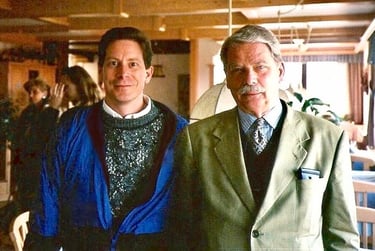
Author Jack Sacco with Georg, Duke of Hohenberg, Grandson of Archduke Franz Ferdinand of Austria.
Even though I'd read reviews about it,
I was unprepared for how it moved me.
The writing is nothing less than brilliant. It is vivid, personal, insightful, realistic, and tender — a treasure.
Joe "Fab" Fabiszewski
Vienna, Virginia
FOLLOW ON SOCIAL MEDIA
To schedule an interview or to have Jack Sacco speak at your event, podcast, or webinar
email: